

Slide Images
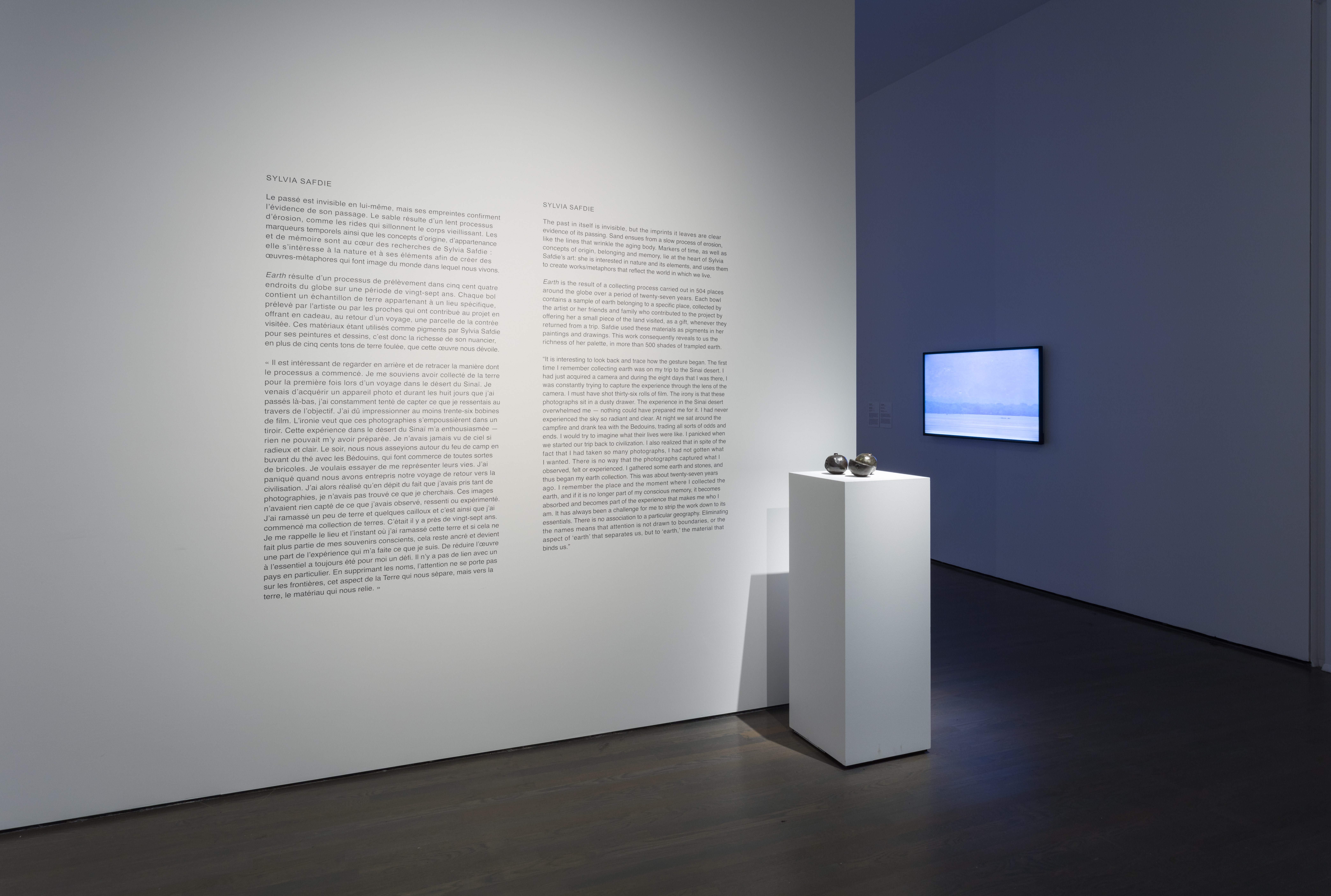
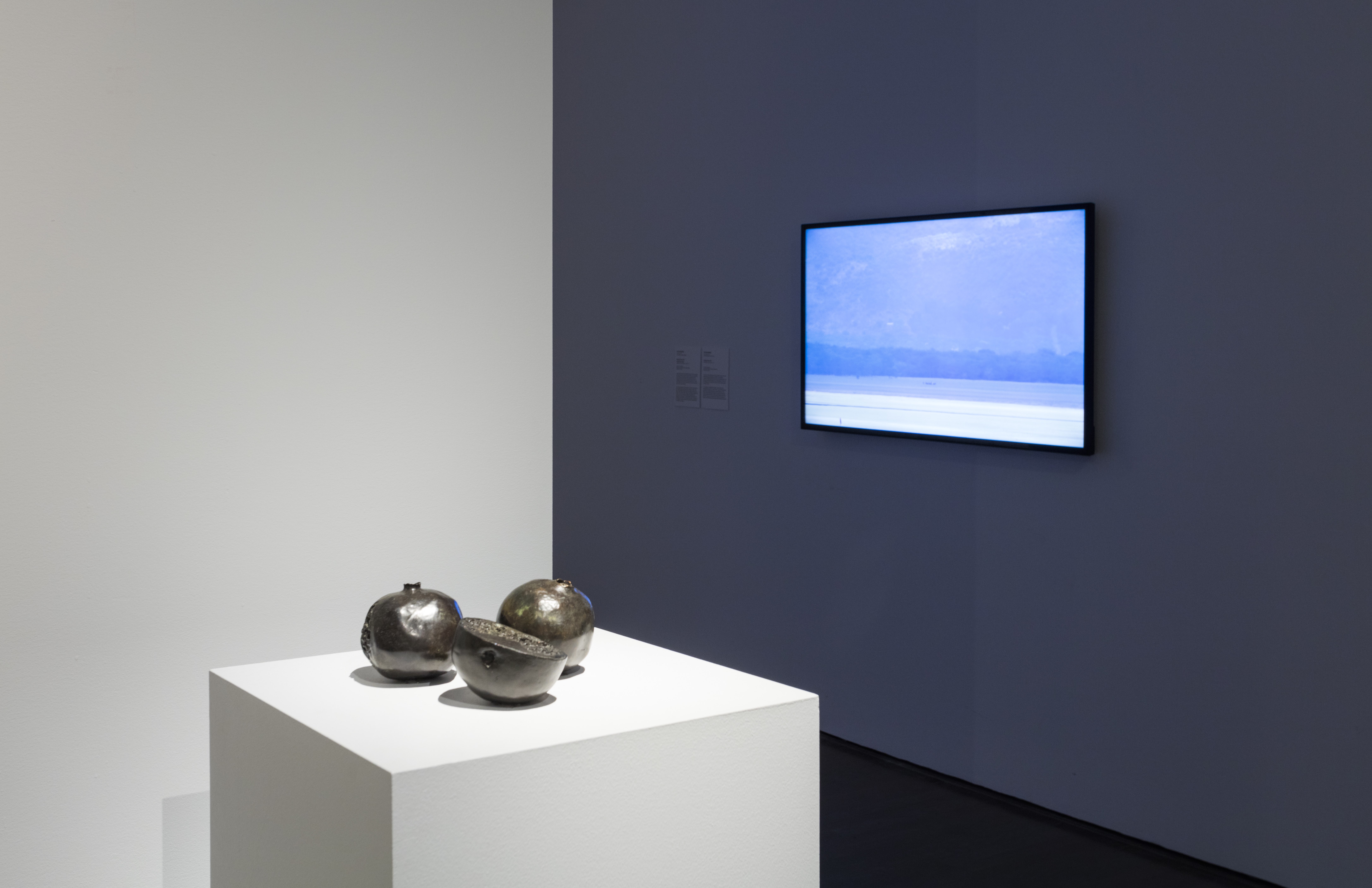
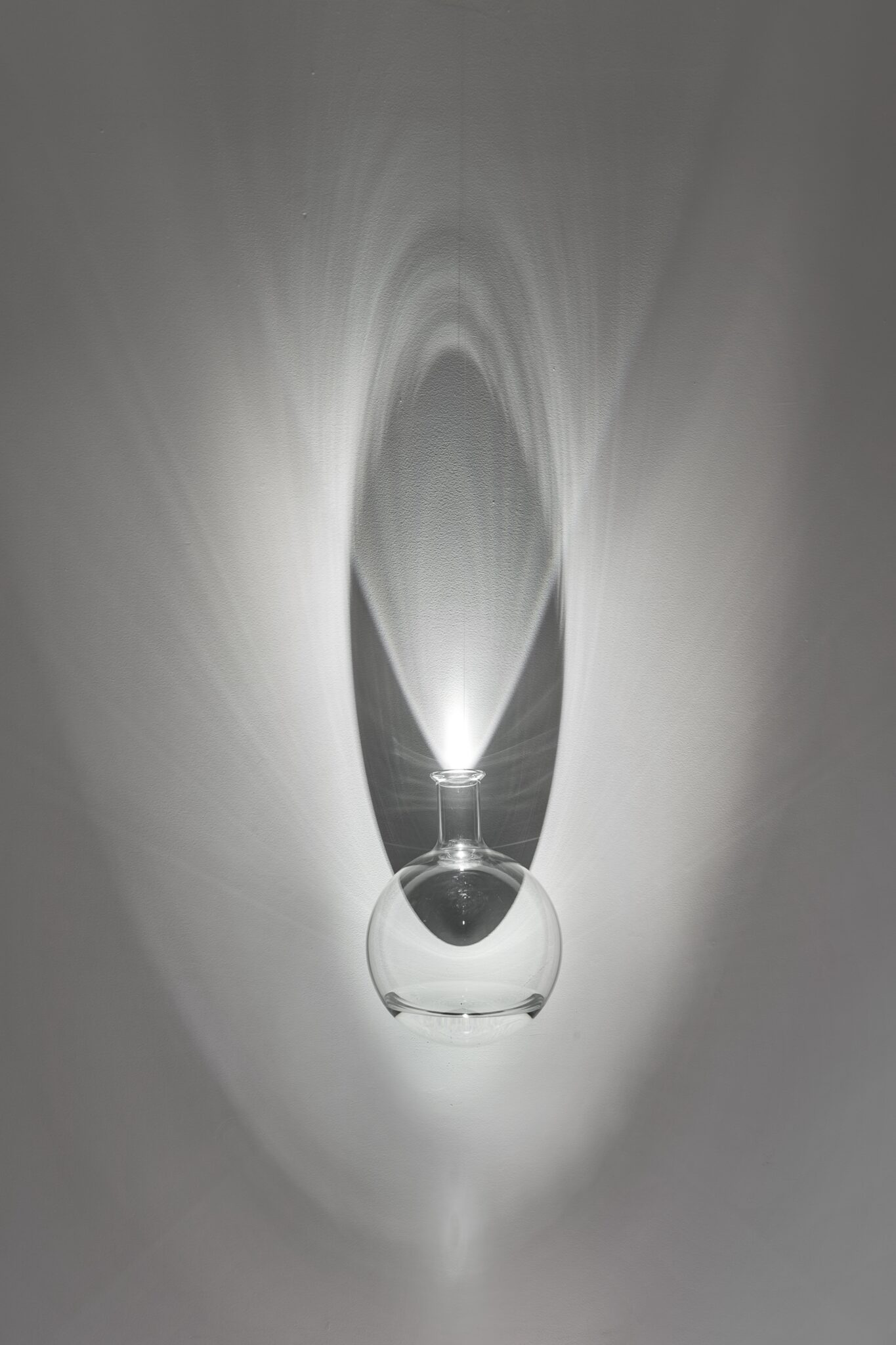
1 – Rimonim, No. 1, No. 2, No. 3, 1998
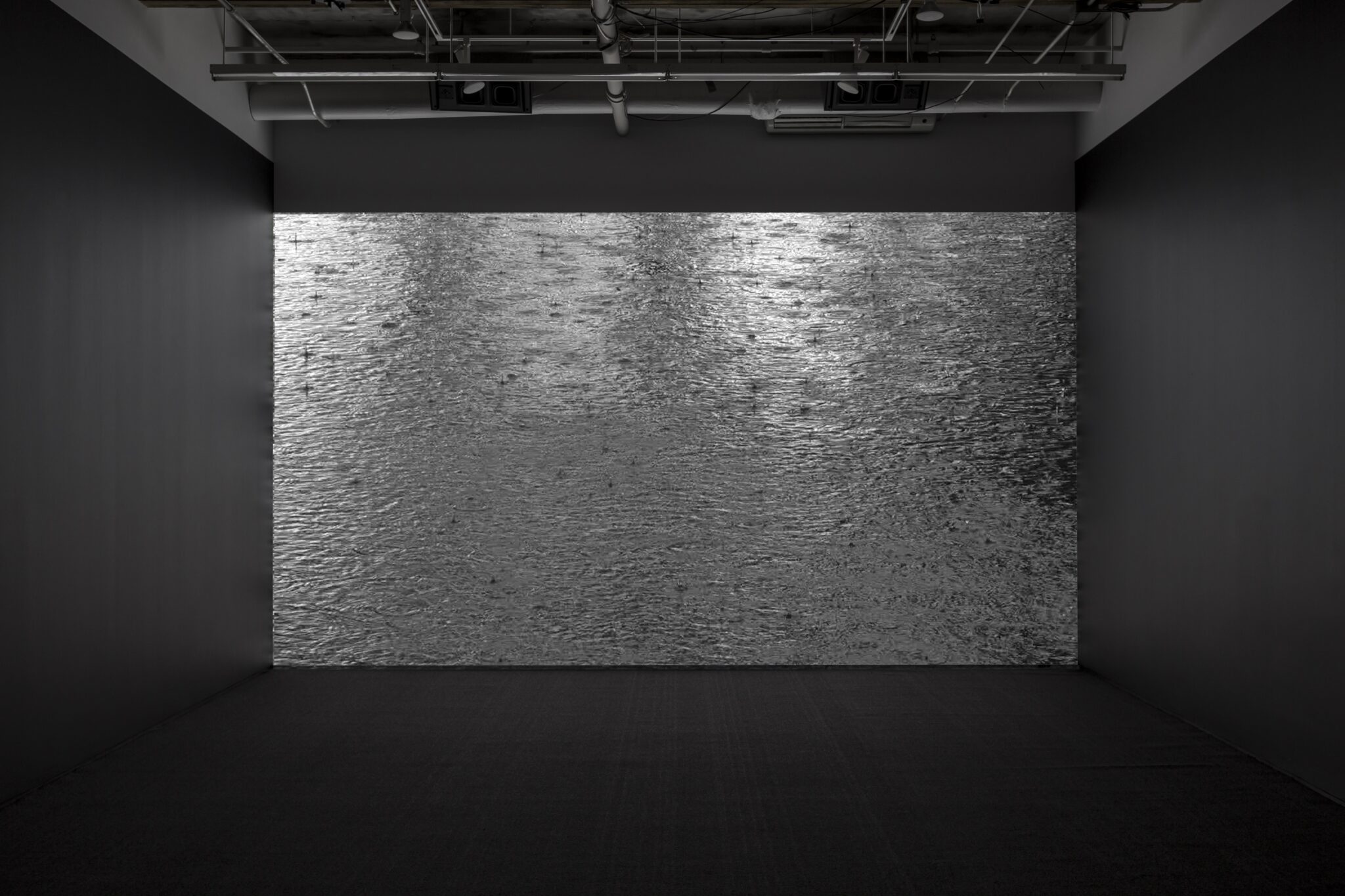
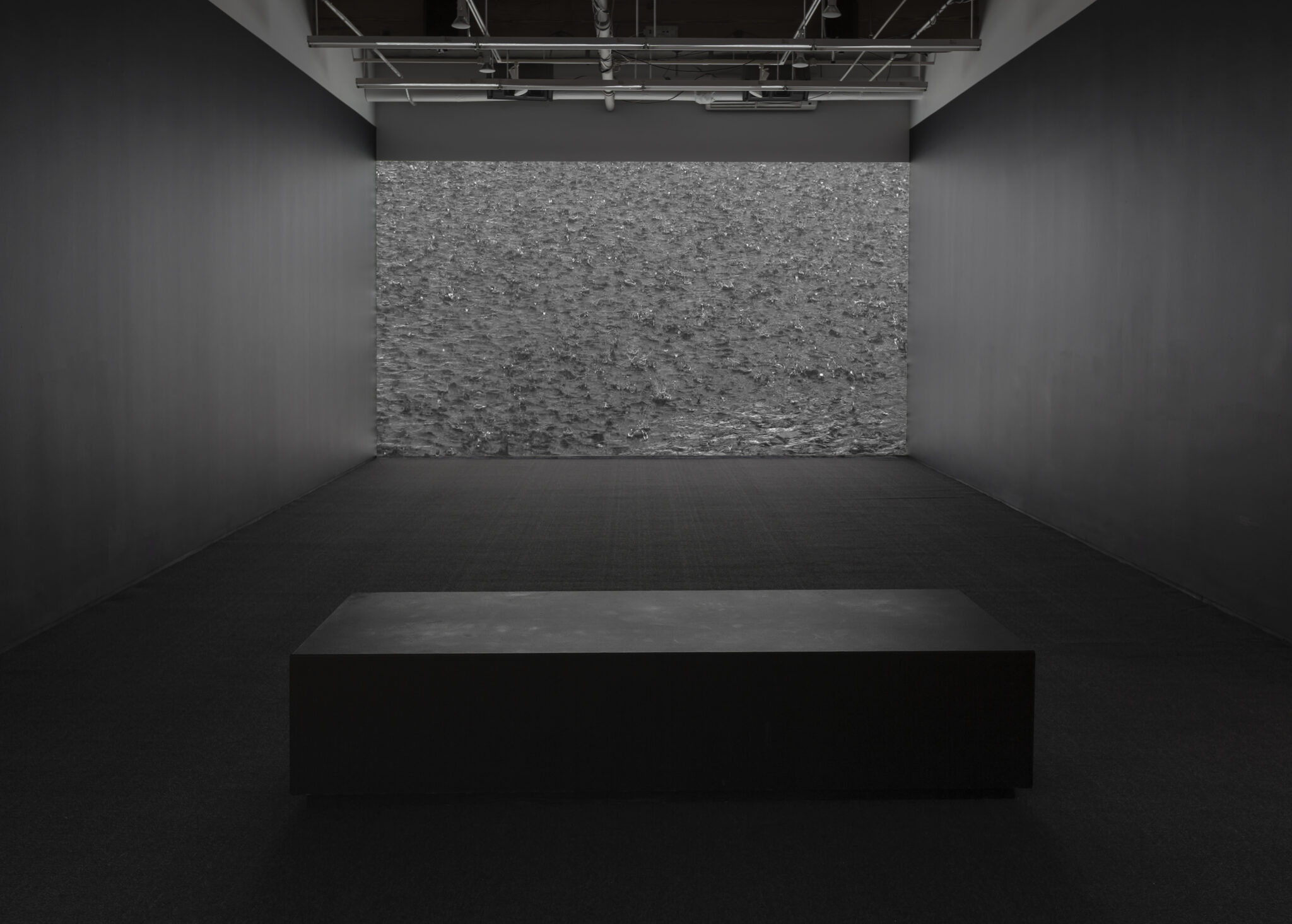
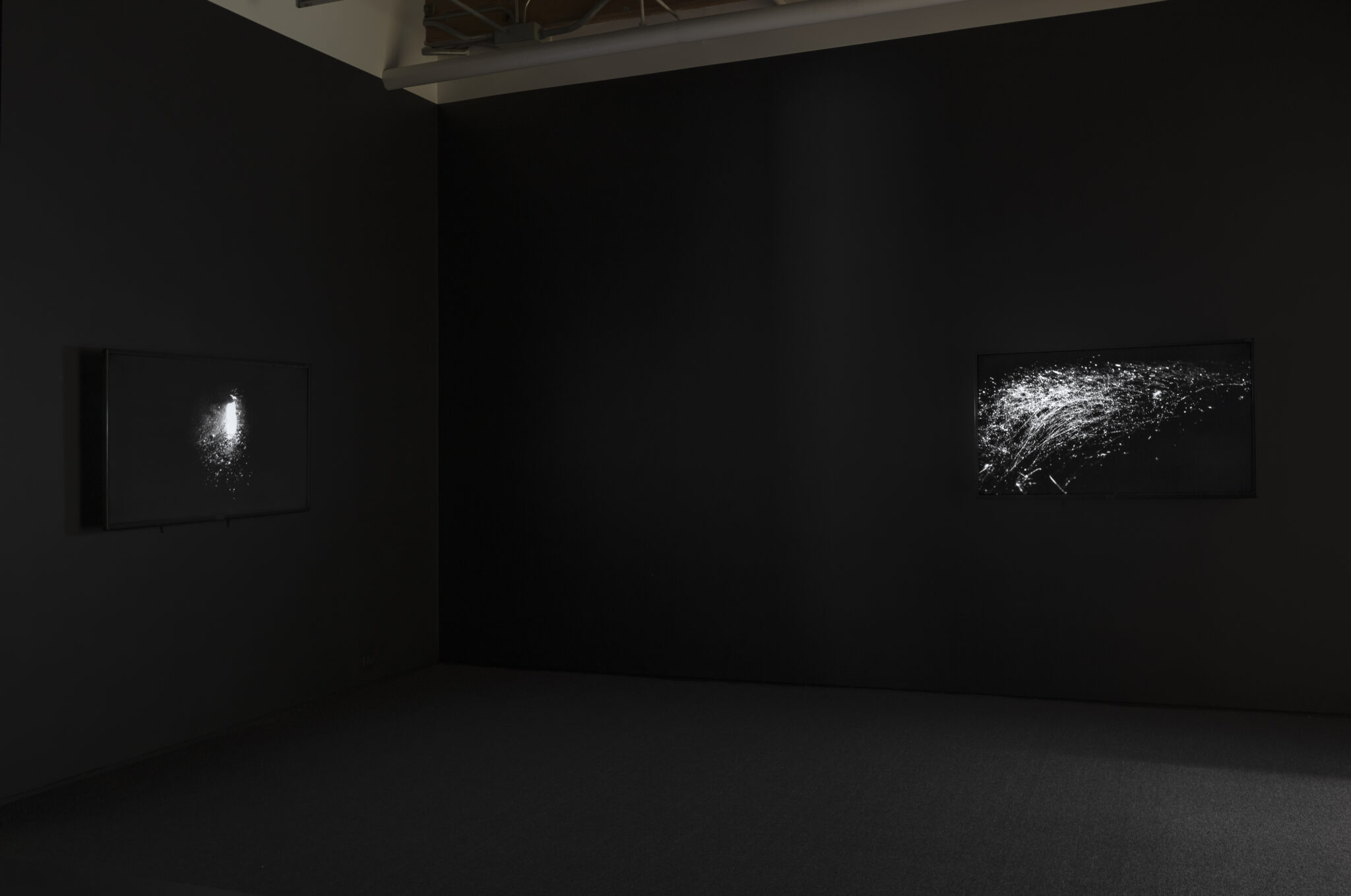
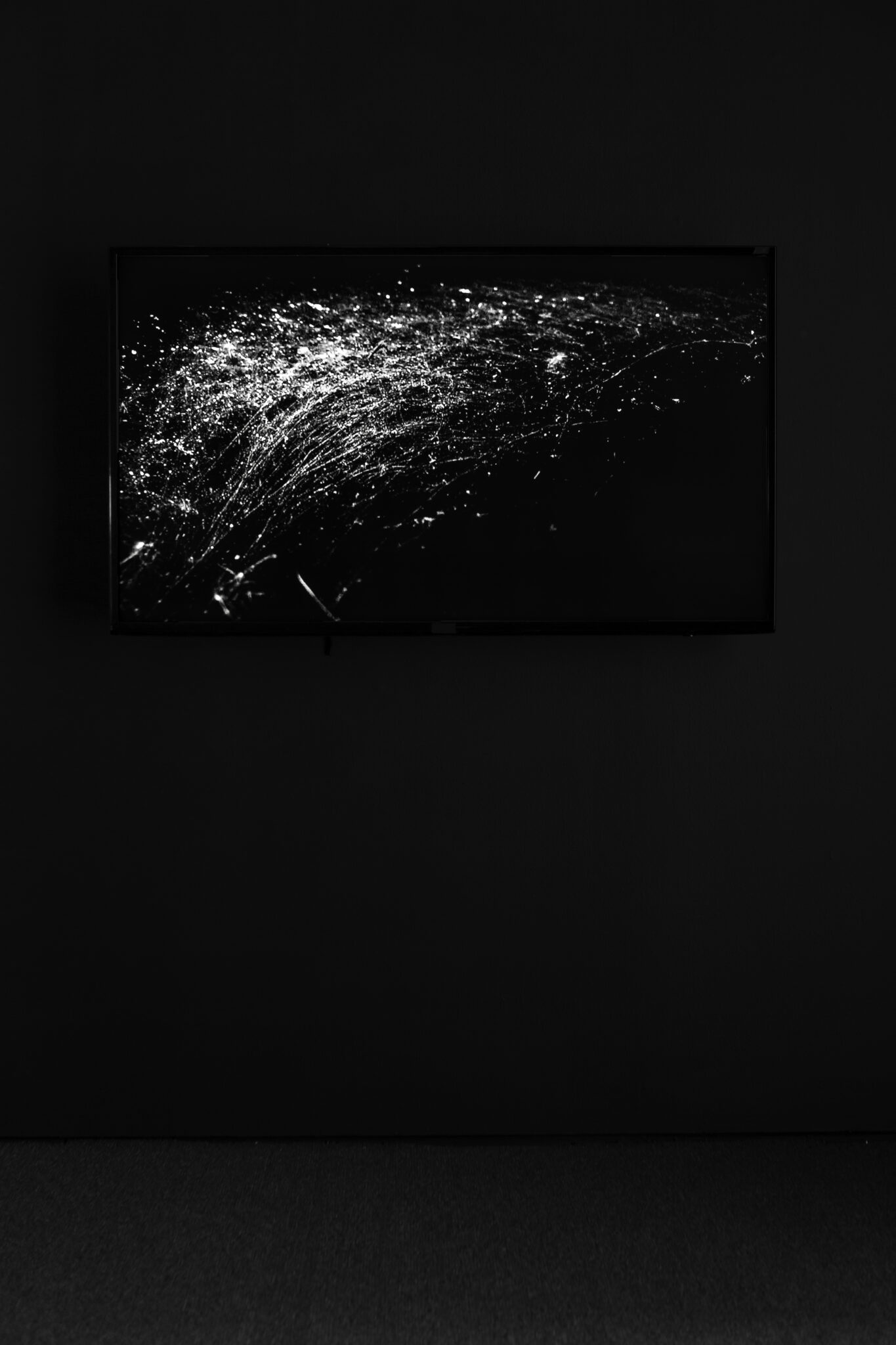
/ Passing Time No. 1, 2017
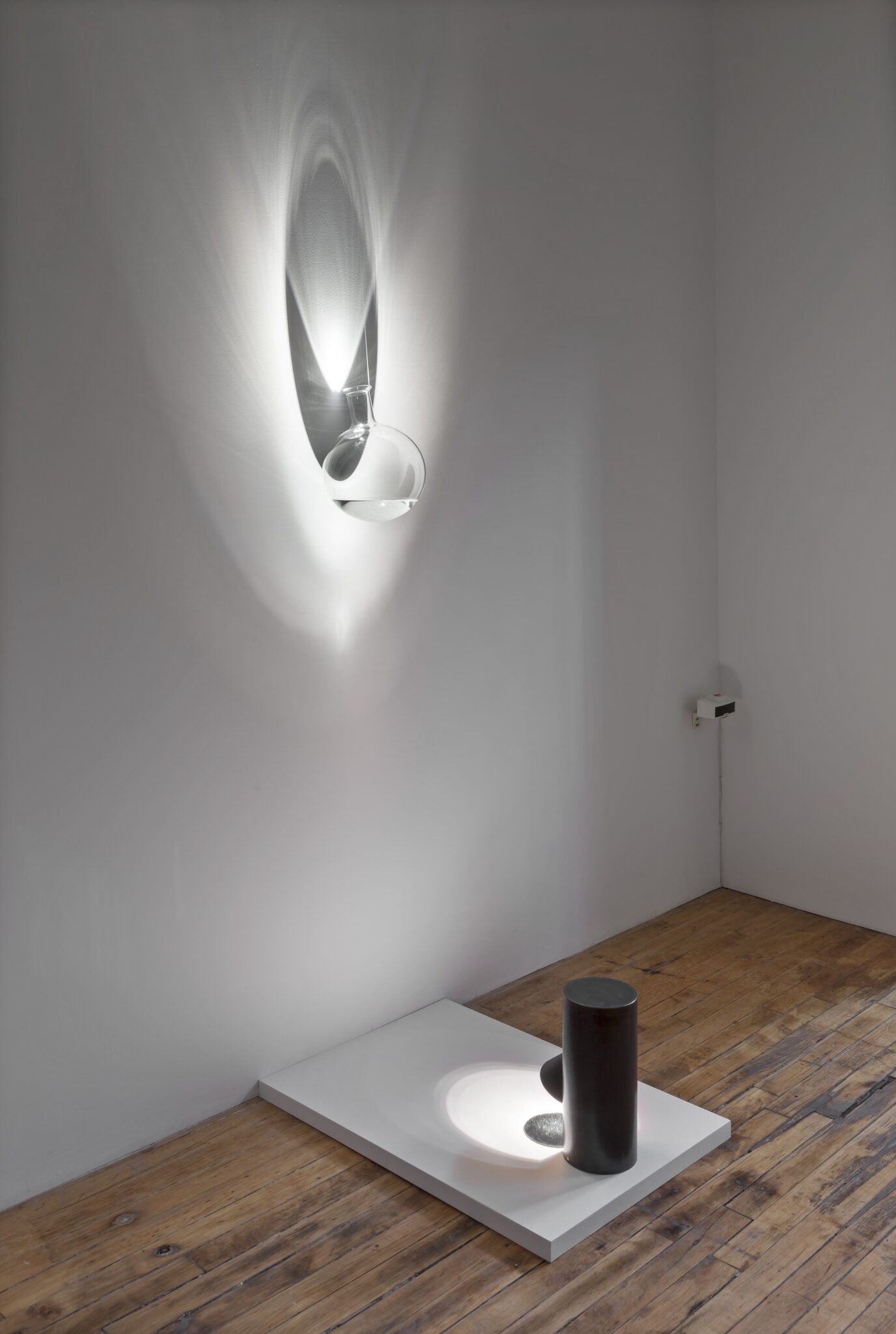
2 - Rimonim, No. 1, No. 2, No. 3, 1998 /
Passing Time No. 1, 2017
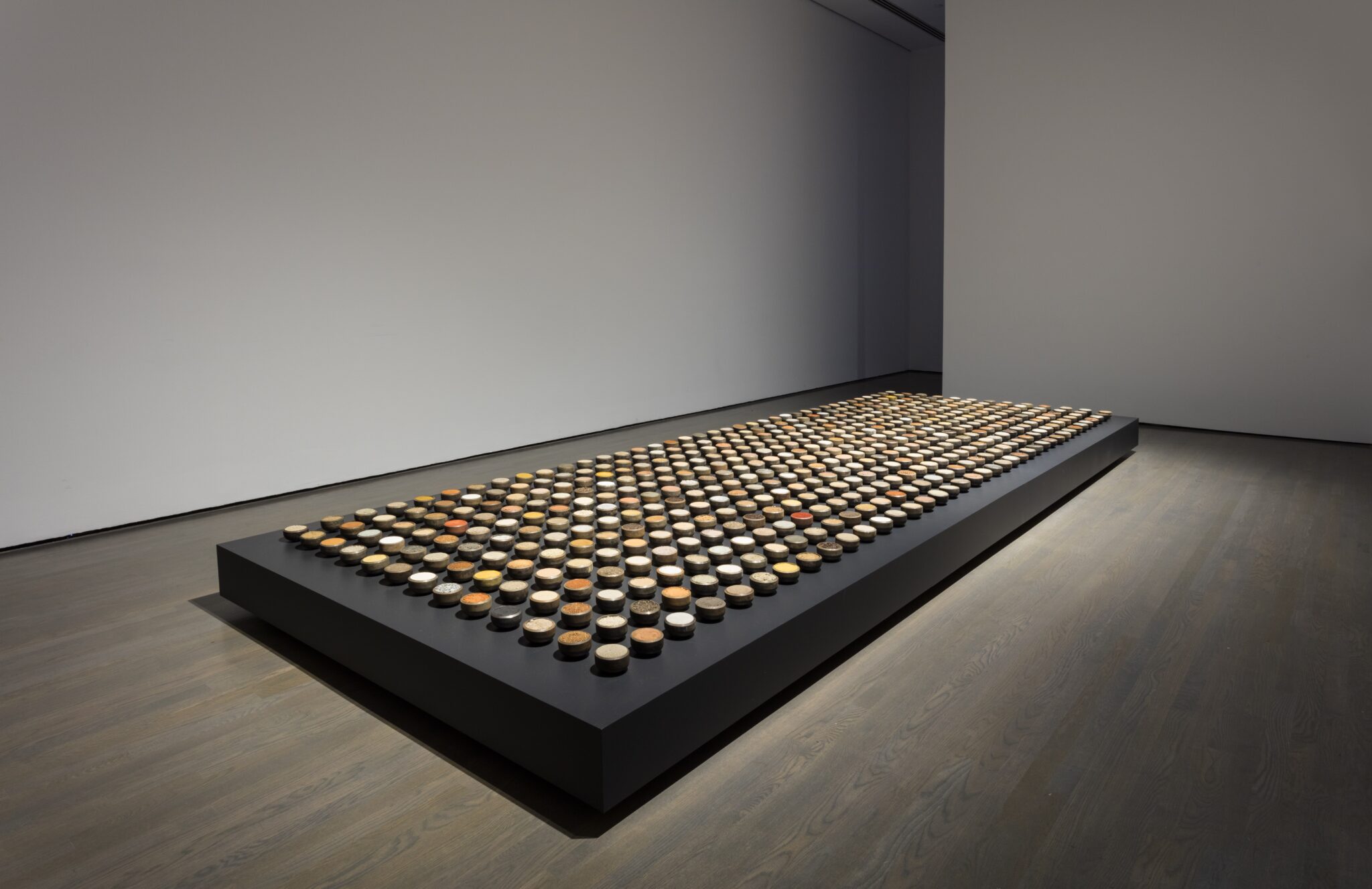
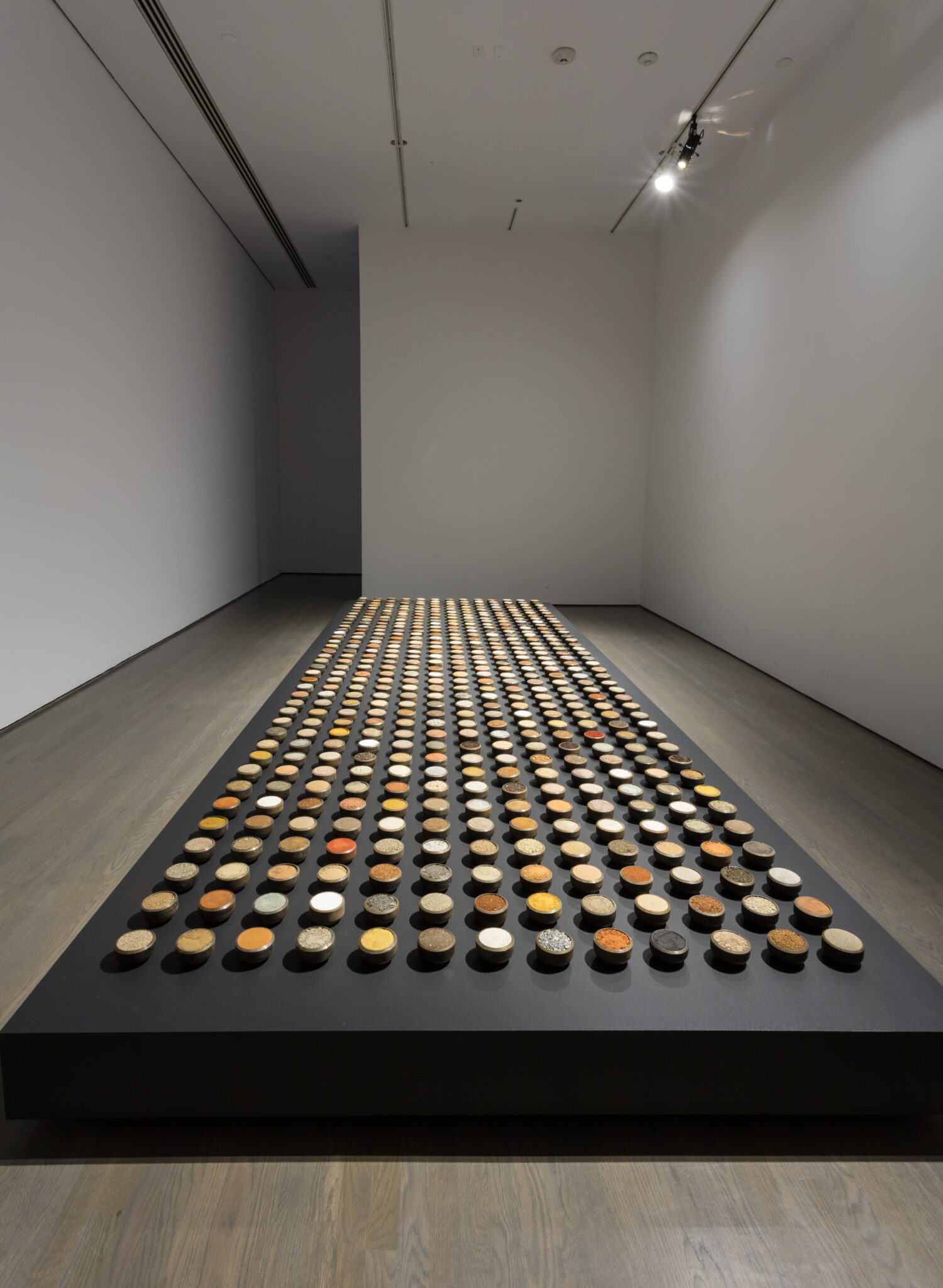
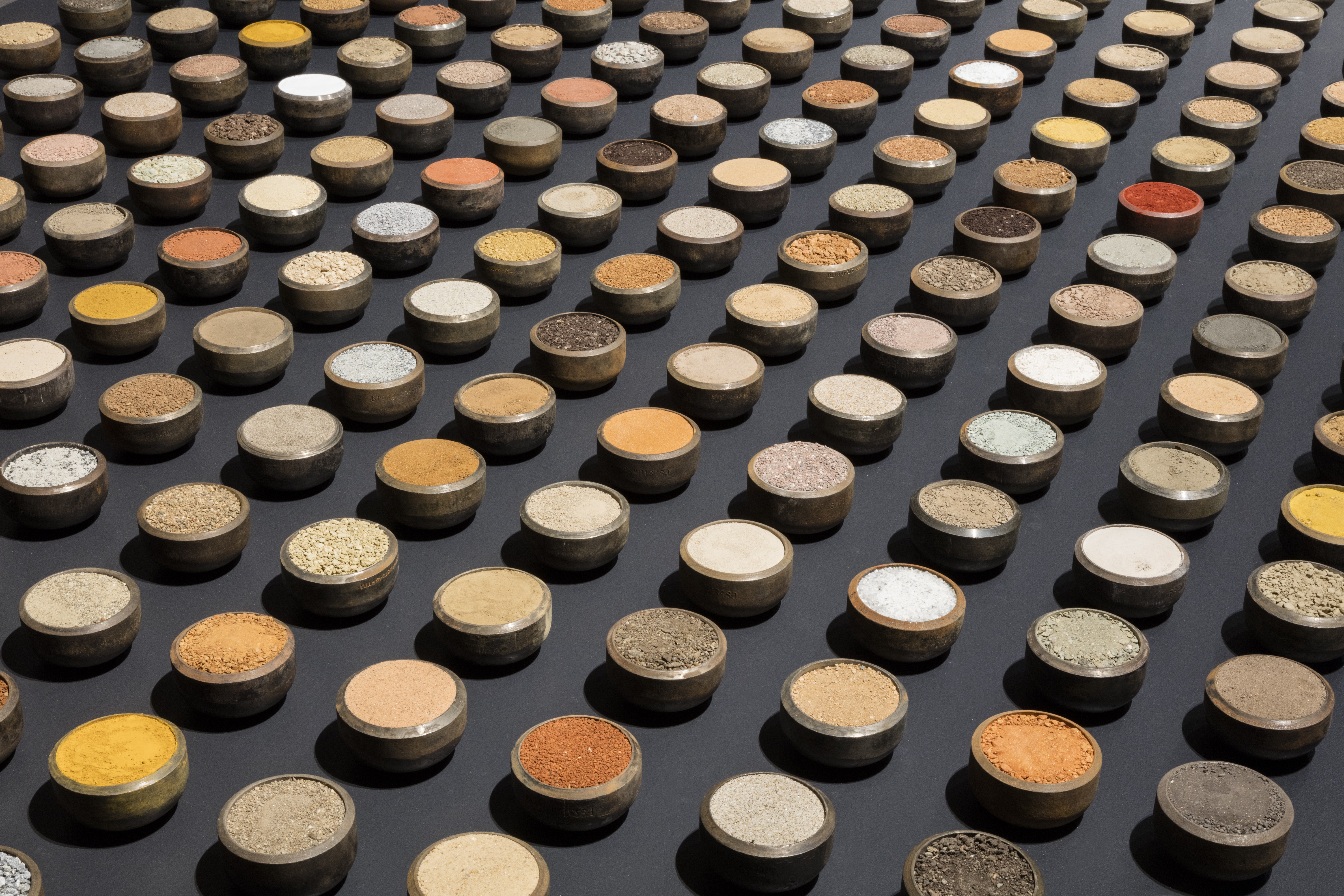
3 - Earth, 1977-2004
4 - Earth, 1977-2004 (detail 1)
5 - Earth, 1977-2004 (detail 1)
6 - Earth, 1977-2004 (detail 2)
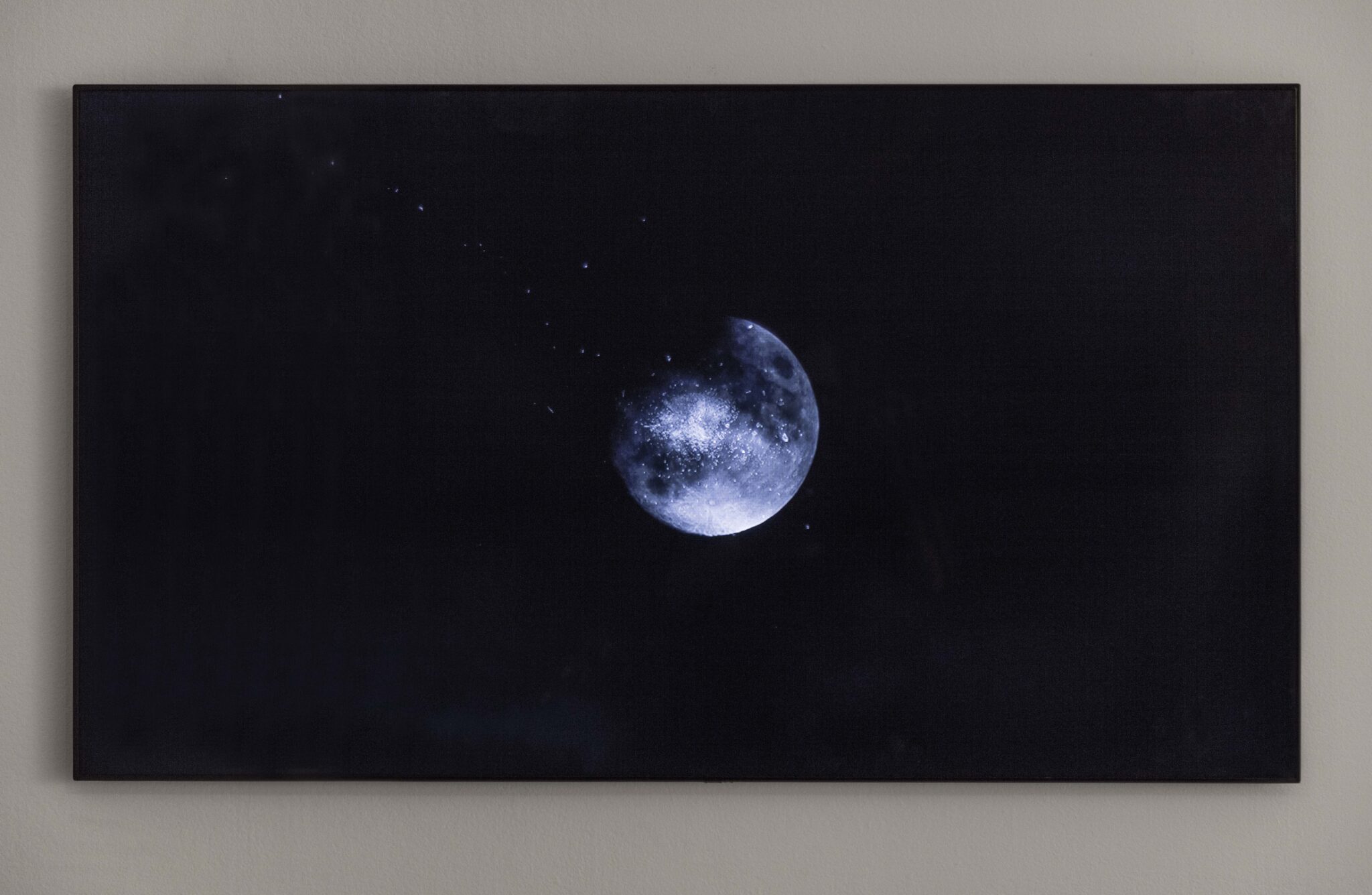
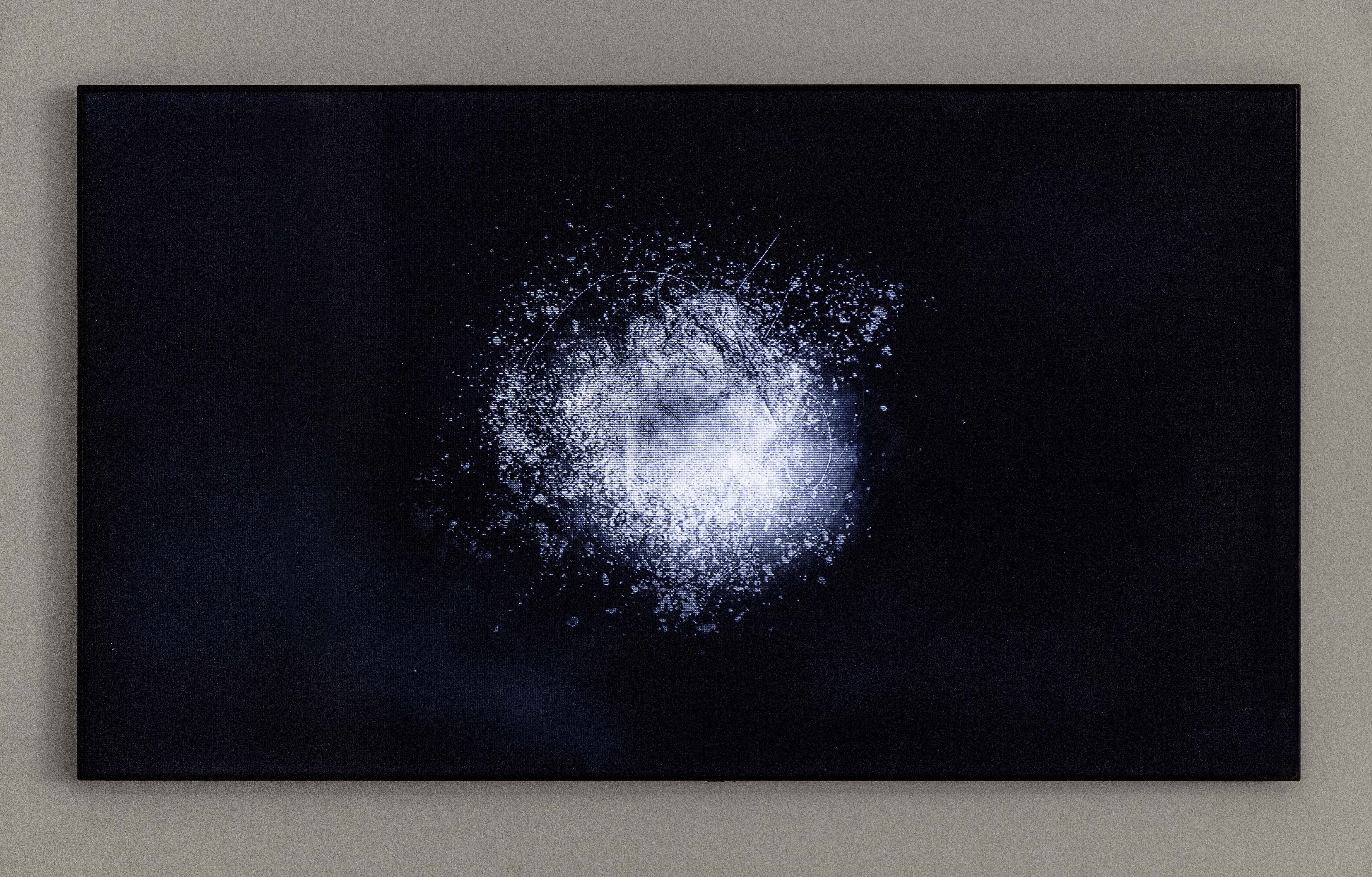
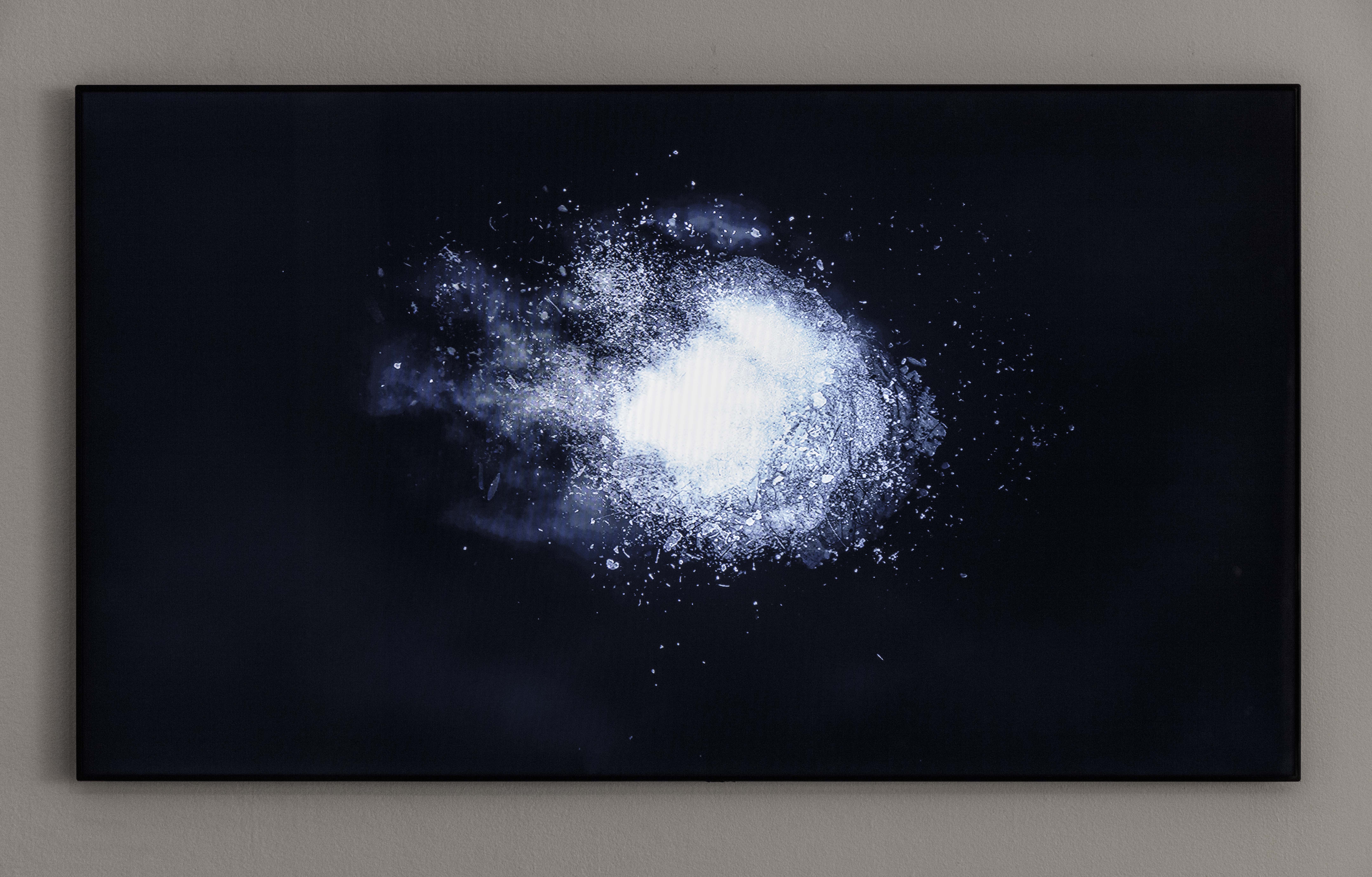
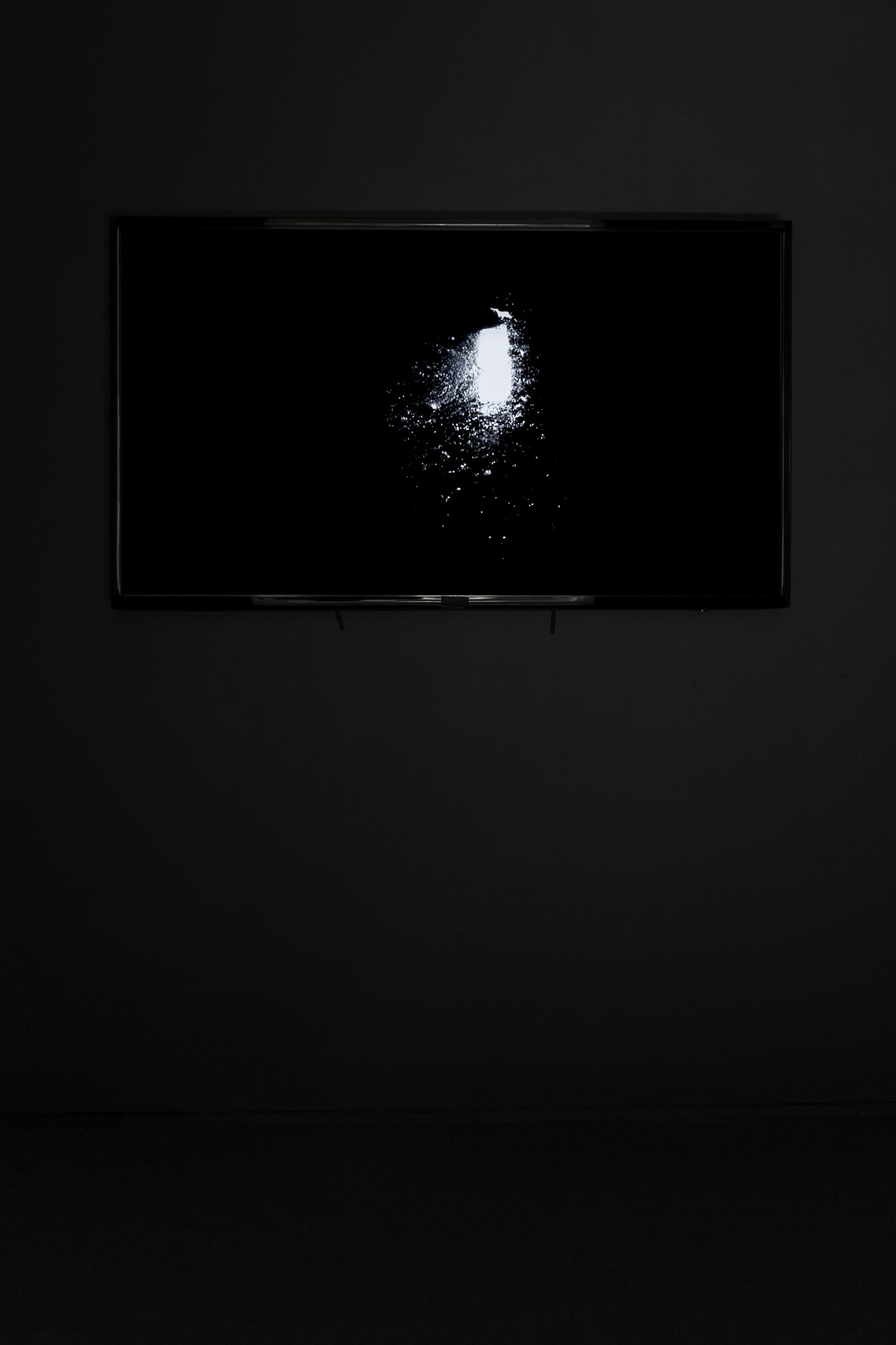
7 – Moon / Clouds / Earth, 2012 (installation shot 1)
8 - Moon / Clouds / Earth, 2012 (installation shot 2)
9 - Moon / Clouds / Earth, 2012 (installation shot 3)
Terre Des Femmes, 2017
Montreal Museum of Contemporary Art, curated by Marie-Eve Beaupré.
It is interesting to look back and trace how the gesture of collecting earth began. The first time I remember collecting earth was on my trip to the Sinai desert. I had just acquired a camera and during the eight days that I was there, I was constantly trying to capture the experience through the lens of the camera. I must have shot thirty-six rolls of film. The irony is that these photographs sit in a dusty drawer. The experience in the Sinai desert overwhelmed me - nothing could have prepared me for it. I had never experienced the sky so radiant and clear. At night we sat around the campfire and drank tea with the Bedouins, trading all sorts of odds and ends. I would try to imagine what their lives were like. I panicked when we started our trip back to civilization. I also realized that in spite of the fact that I had taken so many photographs, I had not gotten what I wanted. There is no way that the photographs captured what I observed, felt or experienced. I gathered some earth and stones and thus began my earth collection. This was about twenty-seven years ago. I remember the place and the moment where I collected the earth, and if it is no longer part of my conscious memory, it becomes absorbed and becomes part of the experience that makes me who I am.
Earth, (1977- 2004) consists of 500 steel containers filled with earth of different textures and colours gathered from different places. I am immediately reminded of the artist’s pallet. Earth is the rawest material for the artist. It is a source of colour and pigment. I have used it as a basic material for drawings and paintings.
It has always been a challenge for me to strip the work down to its essentials. In the presentation of this work, I have decided not to use the names of the places where the earth came from. In that way, there is no association to social, political or historical reference. The earth stands on its own. While each earth sample represents its own uniqueness; each is part of the whole. The pots of earth, stripped of place names, speak not of boundaries and divisions, but of multiplicity and diversity as well as of unity.
“In recent years Safdie’s collection of soils, accumulated over a thirty-year period as a tangible reminder of her experiences as a traveler, has provided the impetus for Earth 1997-0).This is powerful installation-in progress whose genesis illustrates the process, and the itinerary, of transformation from a swelling inventory of samples labeled with the particulars of their geographic origins into a boldly conceived installation of some five hundred containers of cast steel (themselves objects trouvé encountered in a plumbing supplies outlet).” (1)
“The aligning of these places forms the huge archipelago of the world. This is what Sylvia Safdie “sculpts”. In this large square,the world is diverse scattered, multiple, whole, but infinite - the plurality of places located in the work of art. The world in pots.” (2)
(1) Irena Murray, Sylvia Safdie, The Inventories of Invention, pg. 19
(2) Gerard Wajcman, Autres Territoire. Pg. 52